
By Tambayan Center Media Desk
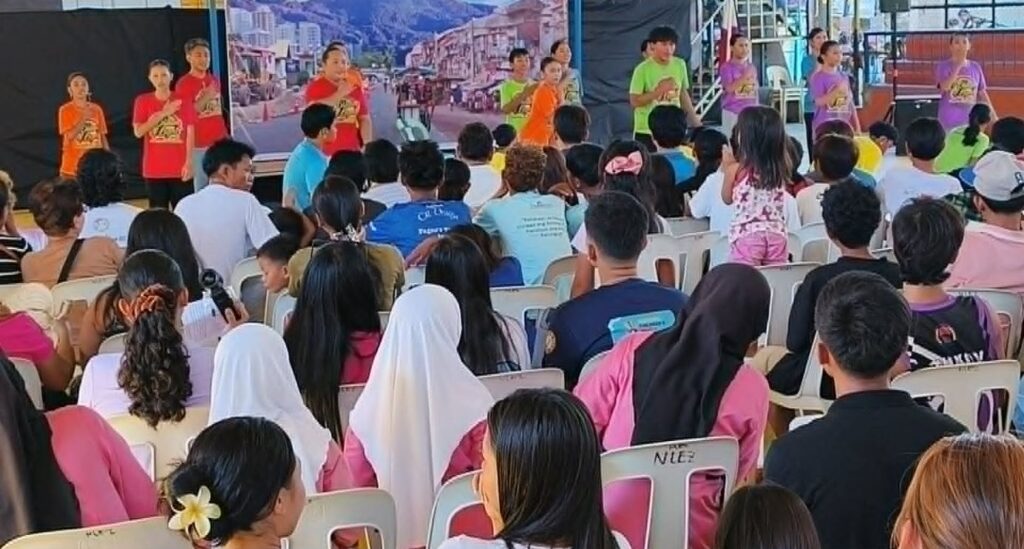
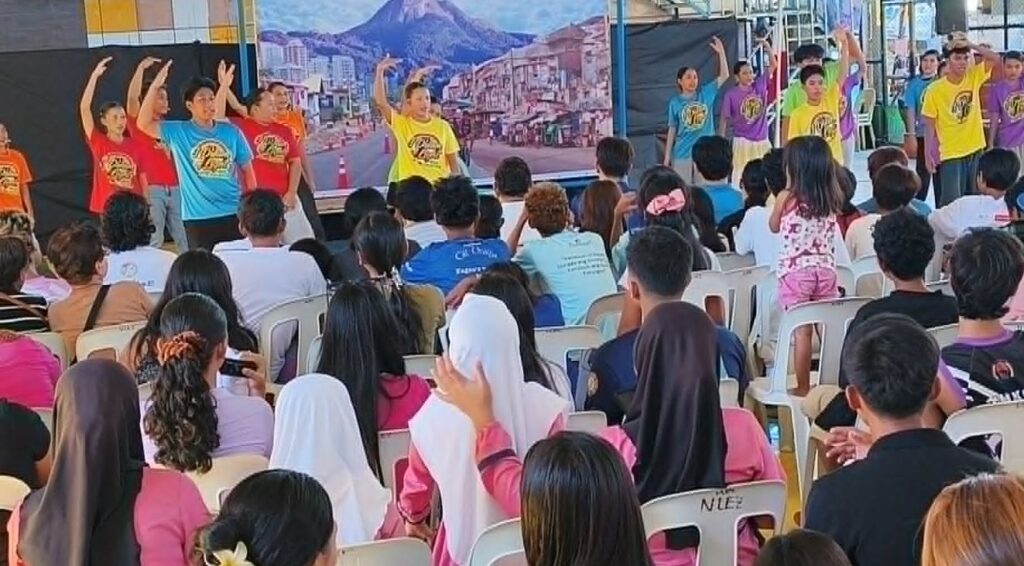
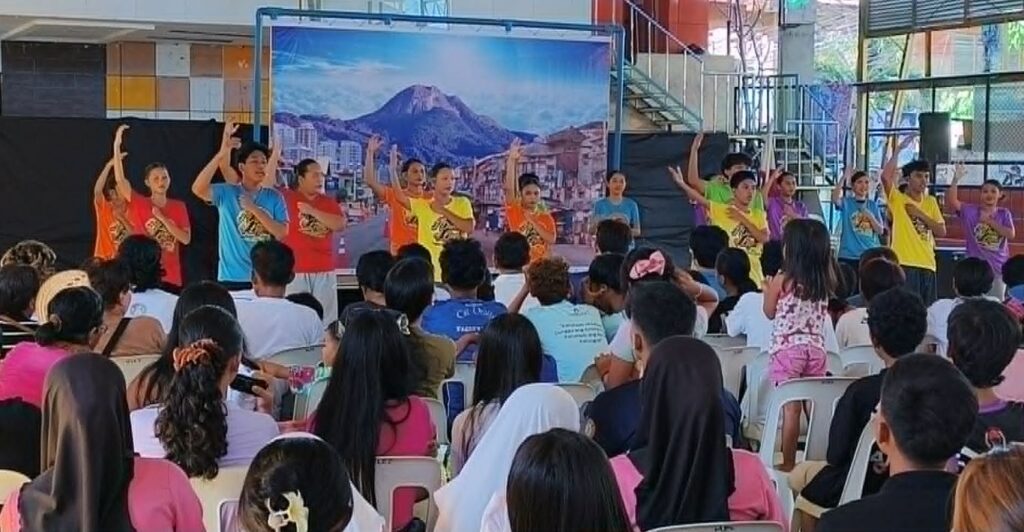
DAVAO CITY — In a narrow open space along Piapi Boulevard in Davao City, community theater became more than performance — it became a classroom, a protest, and a call for collective responsibility.
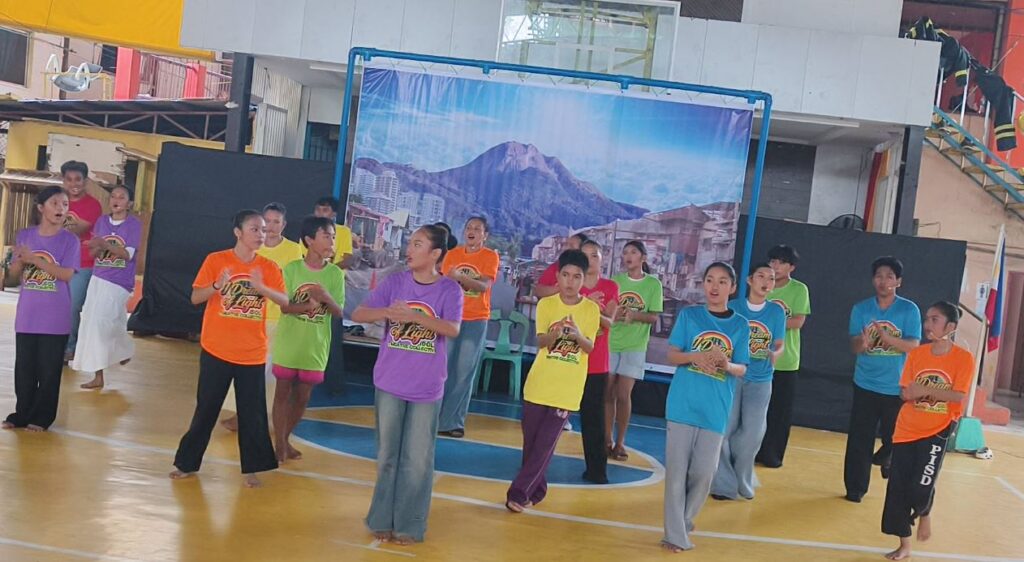
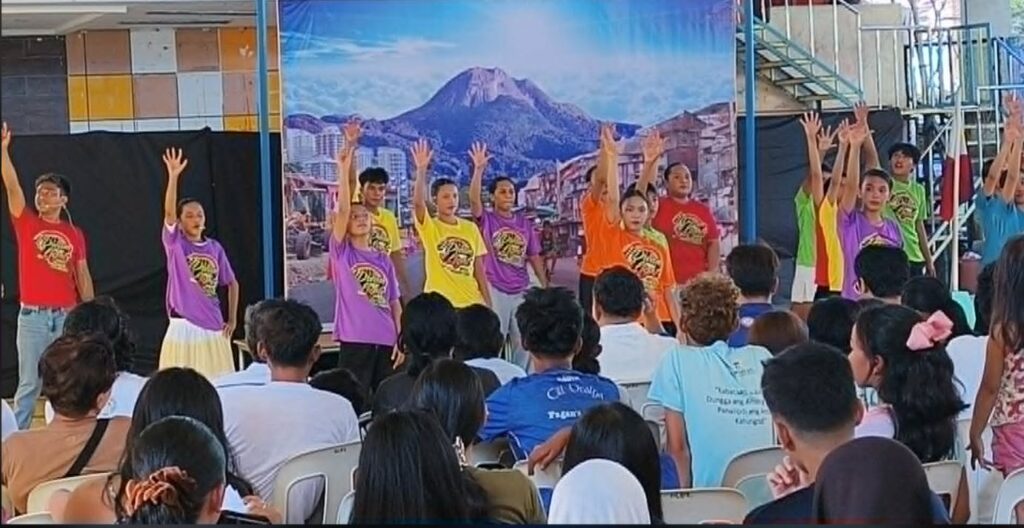
“Kadalanan sa Paglaum,” a grassroots production staged by Tambayan Center for Children’s Rights, Inc. through the IDOL (I Dream Of Light) Theatre Collective, used storytelling drawn from lived experiences to confront audiences with the realities faced by children in street situations.
The initiative was made possible through the support of the National Commission for Culture and the Arts (NCCA), highlighting how arts and culture programs can help amplify community-based advocacy and social education efforts.
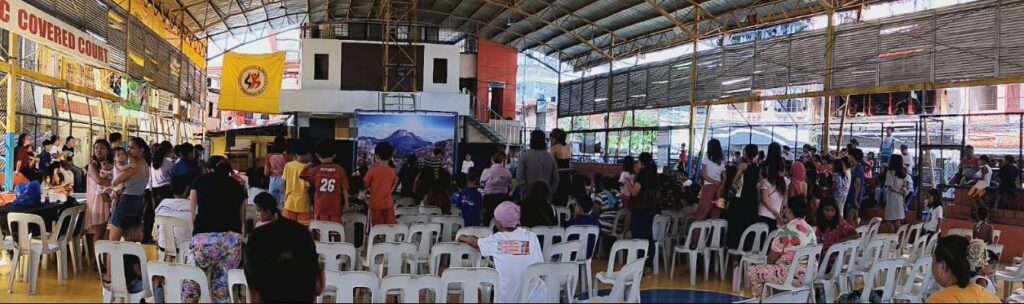
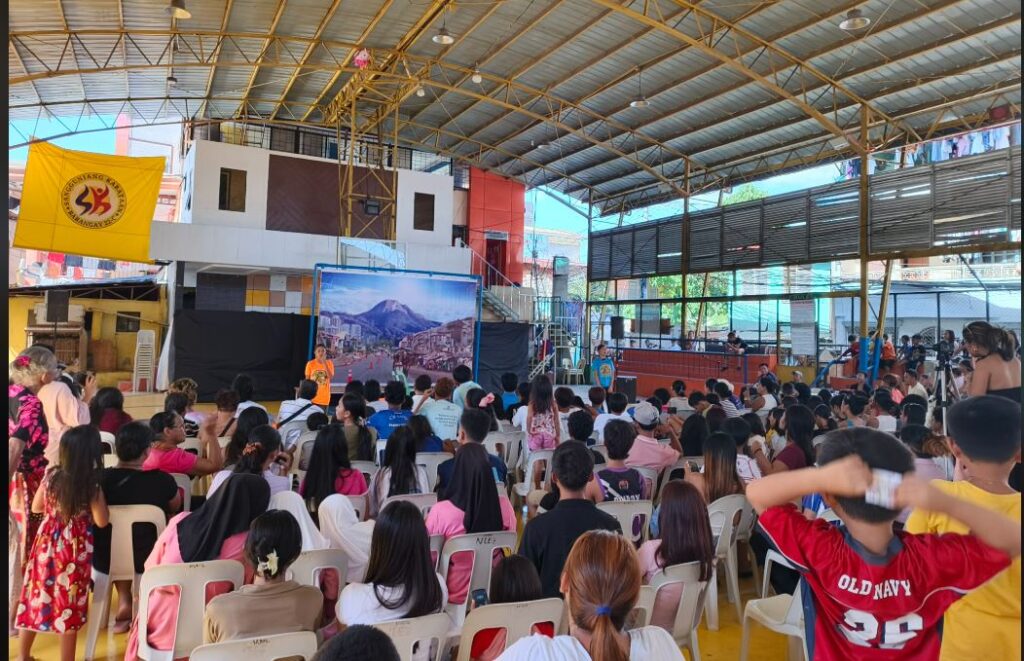
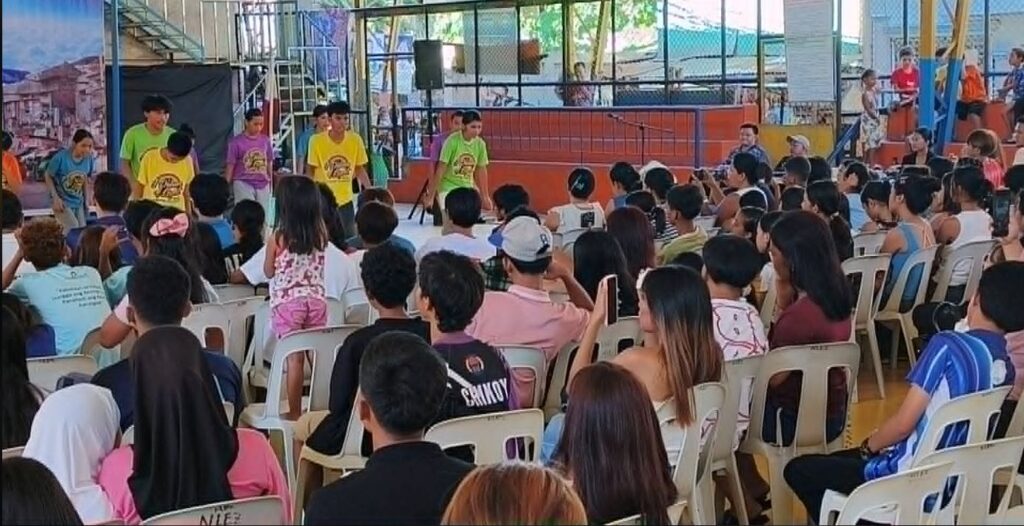
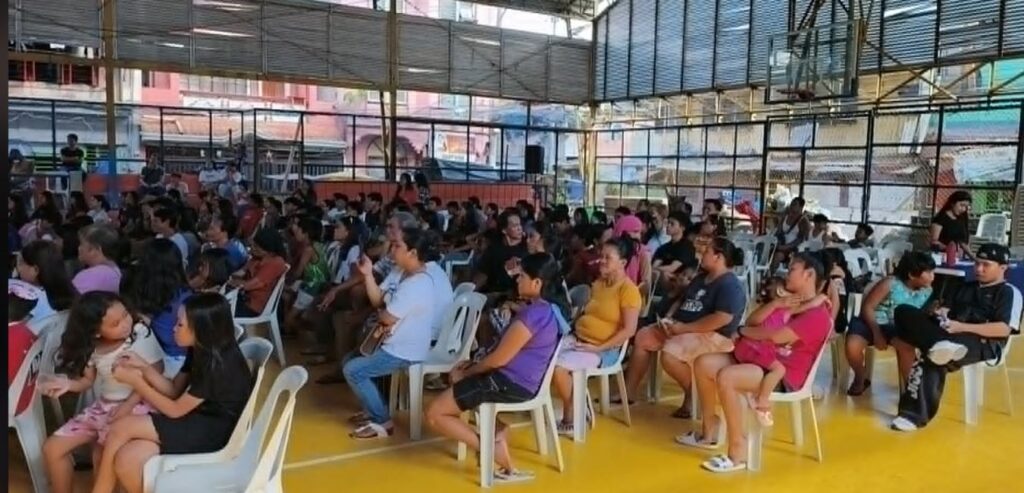
During a structured critique day held May 5 at Barangay 22-C, youth performers, facilitators, community members, and stakeholders reflected on how participatory theater can educate communities, deepen public awareness, and inspire social action on child rights issues often ignored in everyday discourse.
The production tackled hard truths familiar to many urban poor communities — poverty, disrupted schooling, family instability, neglect, and social exclusion. But instead of presenting them as distant social problems, the performance grounded them in personal stories carried by the youth themselves.
For many participants, that authenticity became the production’s strongest message.
“It felt like our own stories were being told on stage. Some of us have lived through the same struggles, and seeing it performed made us feel seen and understood,” shared youth participant Sheecka.
Observers said the performance demonstrated how community theater can serve as an alternative form of education — one that teaches through emotion, participation, and lived experience rather than lectures alone.
Audience members described the production as both unsettling and necessary, pushing viewers to recognize their own responsibility toward vulnerable children visible in city streets yet often overlooked.
“The performers are very convincing, and the performance feels very alive. It is powerful to witness something like this, especially as it pushes us to respond to what is really happening on the streets where children are involved,” said audience member Marga.
Another participant emphasized that awareness must lead to action, stressing that art becomes meaningful when it compels communities to confront real social conditions instead of treating them as background realities.
Beyond artistic expression, organizers said “Kadalanan sa Paglaum” reflects the growing role of community arts as a tool for advocacy and civic participation. By placing marginalized voices at the center of the narrative, the production transformed theater into a platform for dialogue, recognition, and community accountability.
Even technical challenges — including sound limitations in the open-air venue — became secondary to the production’s emotional impact and social relevance.
Reviewer Chikko noted that despite environmental constraints, the performers succeeded in sustaining audience attention and delivering a message that resonated beyond the stage.
Participants ultimately concluded that community theater can function as a form of social documentation — capturing realities often absent from formal discussions while encouraging communities to see child protection not only as a government concern, but as a shared social responsibility.
In “Kadalanan sa Paglaum,” performance was not merely entertainment. It became education rooted in lived experience, advocacy shaped by youth voices, and a reminder that communities themselves can become active spaces for social change.

All the best
Enjoy every single day