Tambayan Center|Davao City|August 12 to 13, 2026
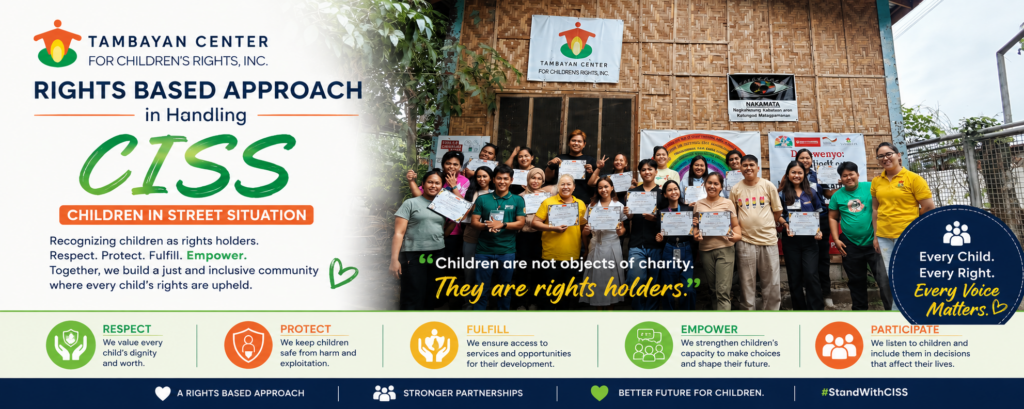
“Children are not objects of charity. They are rights holders.”
What changes when we stop seeing children in street situations simply as children who need help and start seeing them as children with rights, voices, and the ability to participate?
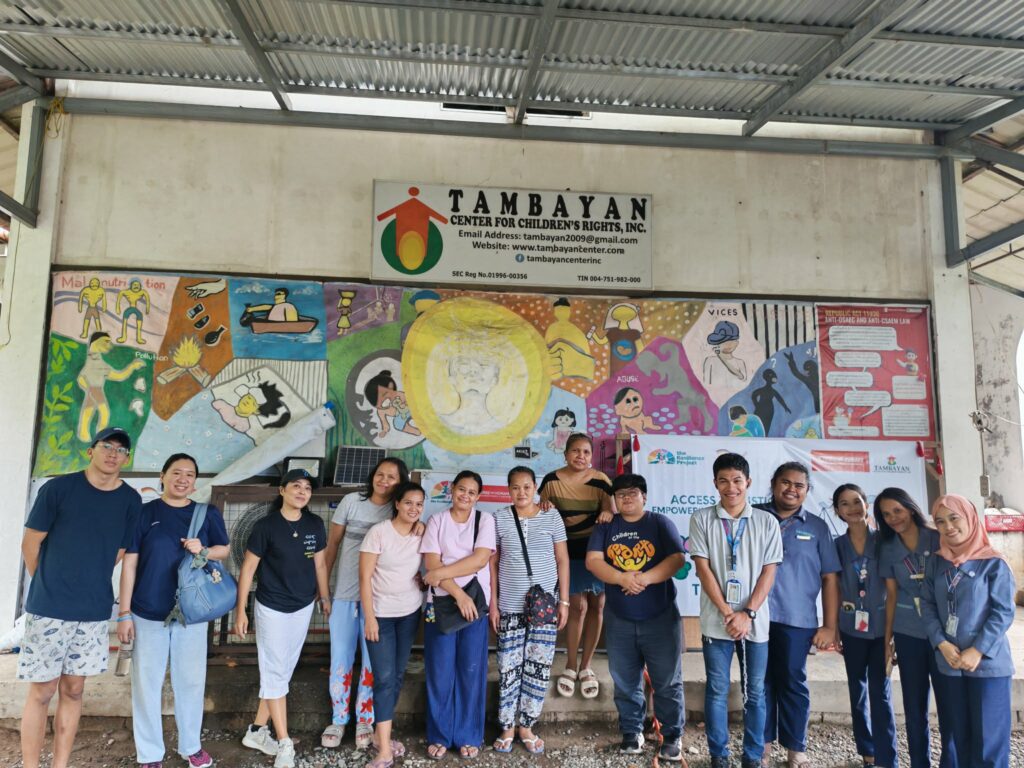
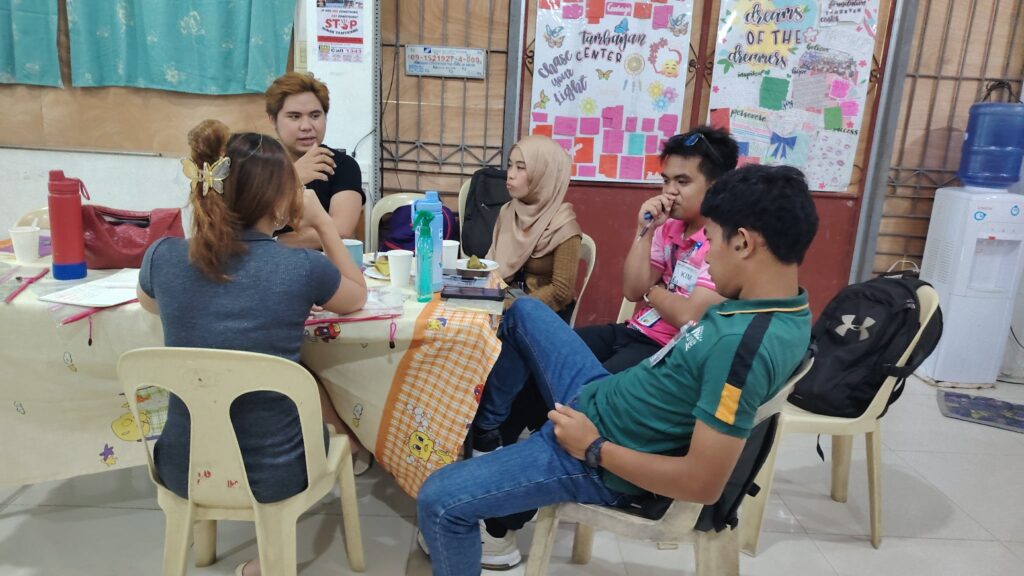
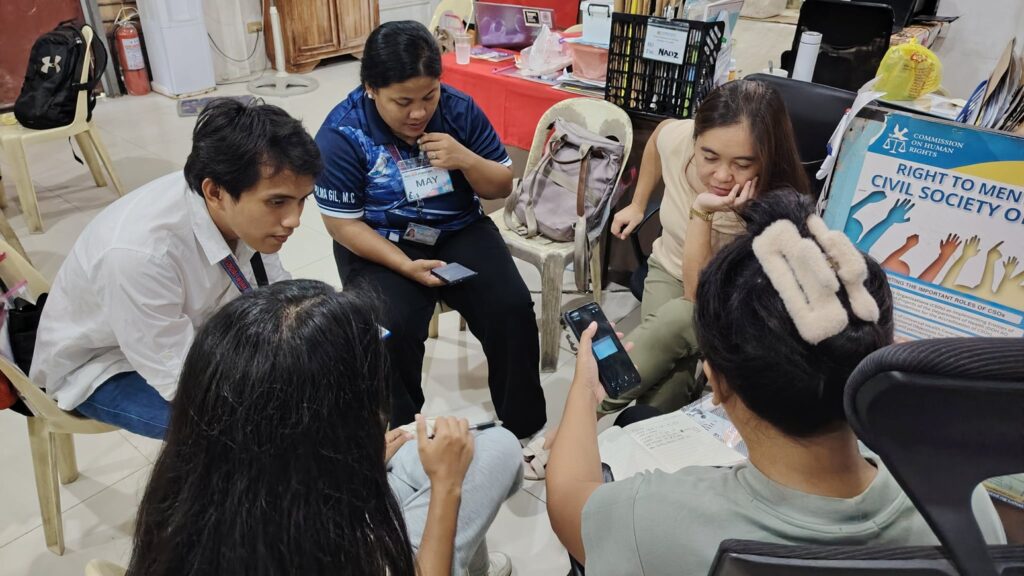
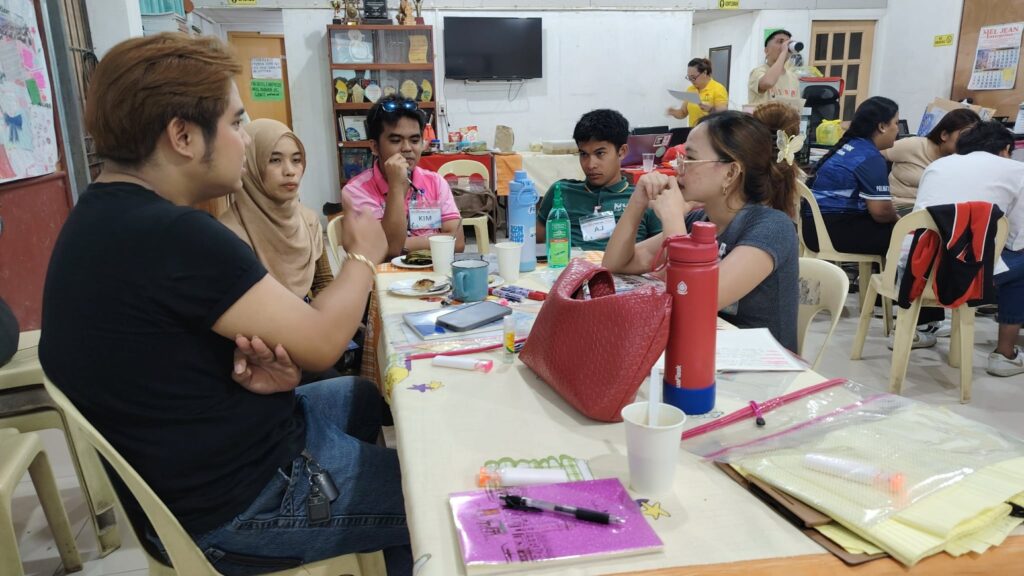
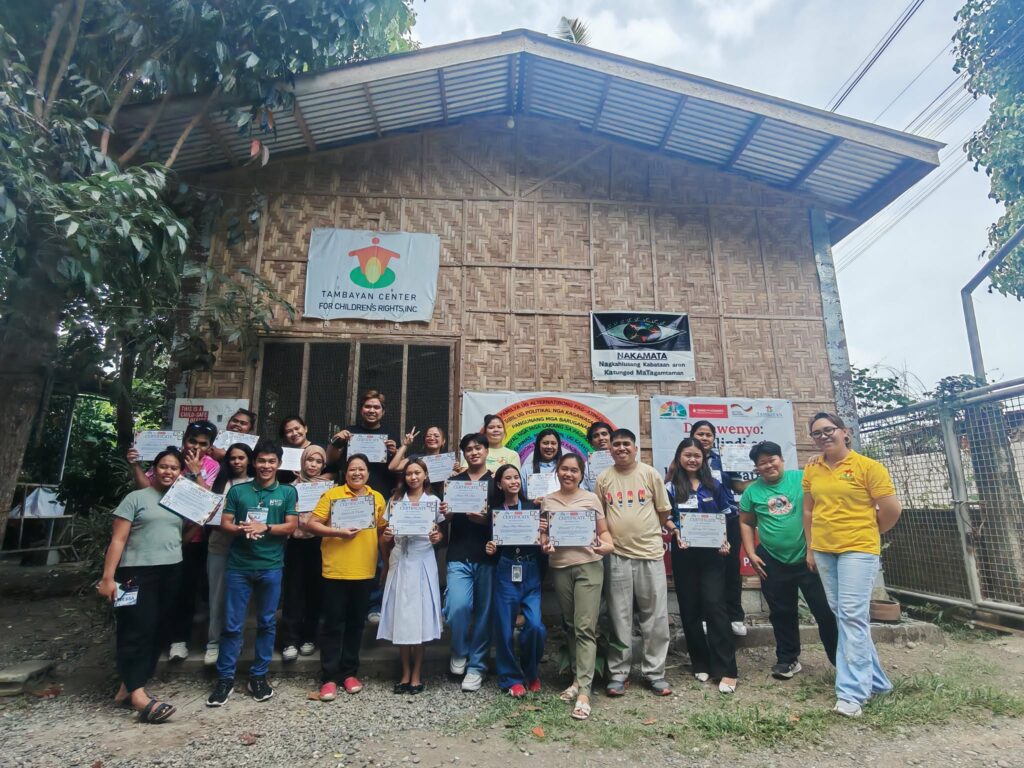
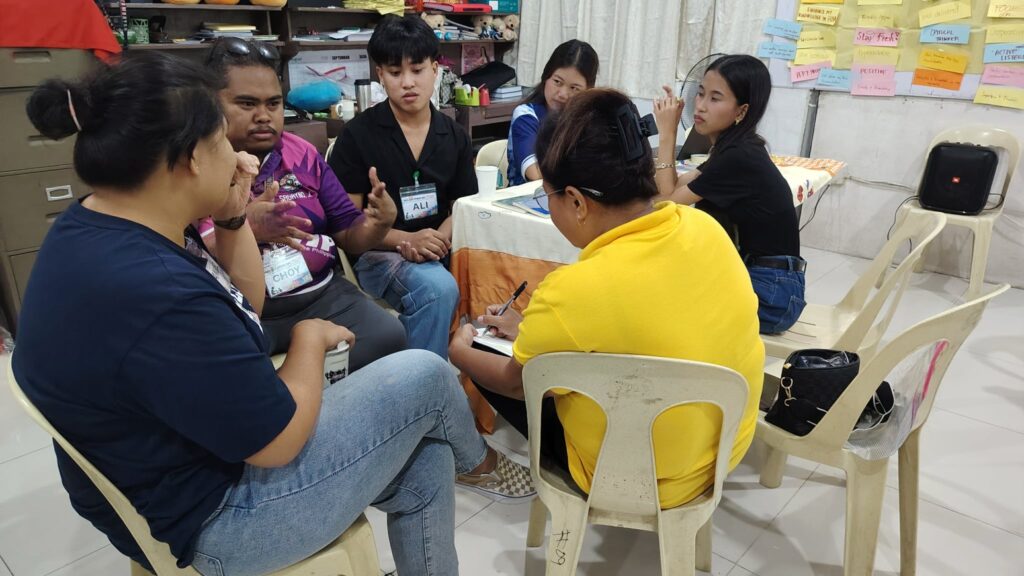
This question was at the heart of the Rights-Based Approach in Handling Children in Street Situations (CISS) training conducted by Tambayan Center on August 12 to 13, 2026.
The two-day training explored how a rights-based approach can change the way organizations understand and respond to children in communities and public spaces.
One of the first discussions focused on a simple distinction: rights versus wants. Participants reflected on children’s basic rights, including food, shelter, health care, education, protection, and participation.
But the discussion went deeper.
“They have rights. Support is owed to them.”
This captures one of the most important shifts in a rights-based approach. Children are not passive beneficiaries waiting for adults to decide what they need. They are rights holders, while government agencies, institutions, service providers, and other responsible actors have duties to respect, protect, promote, and fulfill those rights.
From Helping to Empowering
A powerful part of the training was the discussion about the difference between giving assistance and building empowerment.
“Teach them how to fish so they will not always have to depend on someone else.”
The message is simple: immediate assistance can respond to today’s need, but empowerment helps create the capacity for tomorrow.
For children and communities, this means providing opportunities to understand their rights, develop skills, express their views, participate in decisions, and eventually become more confident in claiming their rights.
What Does It Mean to Truly Listen?
Participation was another important theme.
Children’s participation is not simply asking them to attend an activity. It means giving them opportunities to express their views, access information, form groups, and participate in decisions affecting their lives.
“Are we designing programs for children, or are we designing them with children? ”
When children are genuinely included, their experiences can help organizations understand what is happening on the ground and develop responses that are more relevant to their realities.
The Work Goes Beyond Assistance
A rights-based approach also asks who is responsible.
It means identifying the duty bearers, understanding their responsibilities, and creating mechanisms for accountability when rights are not fulfilled.
Ultimately, the training reminded participants that meaningful change is not measured only by how much assistance is delivered.
It is also measured by whether children are heard, respected, protected, included, and empowered.
“We do not just help people. We equip them to lead and carry the work forward.”
For children in street situations, that shift matters.
Because sometimes the most important thing we can give a child is not something we hand over.
It is a voice.
It is a choice.
It is the knowledge that their rights matter.
And when children know their rights and are given meaningful opportunities to participate, we move closer to a community where children are not simply protected by others but are also recognized as active participants in shaping their own future.
Honestly, it’s really good
I like this
WOW,Very wonderful
The content is really great
That was amazing